Operating Intelligence
More Than a CRM for Solo Professionals Managing Client Work
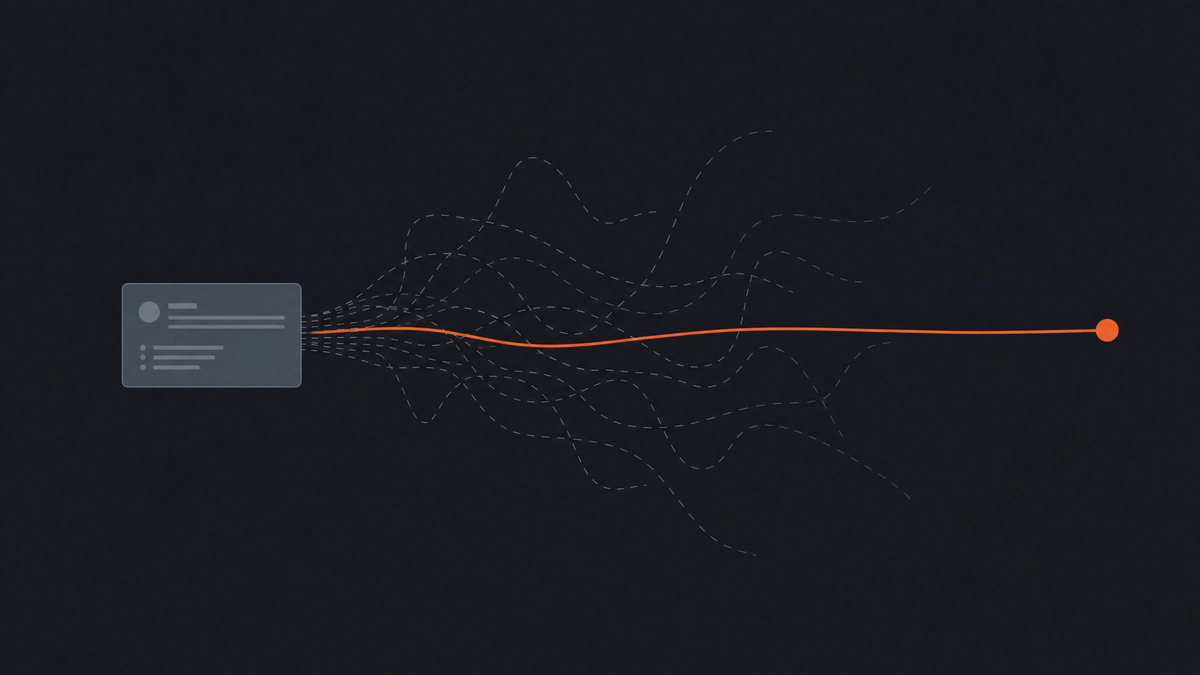
You took the call on Tuesday. The client mentioned three priorities, a deadline shift, and a concern they have not said out loud to anyone else. By Friday, you remember the deadline. The priorities have blurred. The concern is gone.
This is the gap a CRM was never built to close. Solo professionals need more than a CRM to manage client work, because the work that matters is not in the contact record. It is in what was said, what was decided, and what the next judgement should be. A CRM holds the address book. It does not hold the context.
What a CRM actually does (and what it leaves out)
A CRM is a contact database with a pipeline attached. It tracks names, companies, deal stages, and reminders. For a sales team with a defined funnel, that is enough. The team handles the volume. The system handles the records.
For a solo professional, the bottleneck is not record-keeping. It is judgement. Your value is not that you logged the call. It is that you understood what the client meant, connected it to what they said last month, and acted on the thing they did not explicitly ask for.
A CRM does not capture any of that. It records that a call happened. It does not remember what the call meant. So whose job is it to hold the context between calls? In a solo practice, it falls to you.

The result is a system that looks organised but does not help you do the work. Your CRM tells you the client is in stage three. It does not tell you why they hesitated, what they care about, or what you should say next.
The hidden cost of memory-dependent follow-up
Follow-up is where solo professionals lose deals and relationships. Not because they are disorganised, but because the system they rely on is their own memory. Memory works inconsistently. It degrades under load. It is strongest right after the conversation and weakest when you need it most: three days later, at 9pm, when you finally sit down to write the follow-up email.
Tip
Author's tip: If you have ever re-read your own notes and still could not reconstruct what the client actually wanted, the problem is not your notes. It is that the notes are not connected to the context around them.
The orientation tax is real: 15 to 20 minutes of reconstruction every time someone sits down for a priority. For a solo professional handling eight or ten client conversations a week, that is hours of reconstruction time spent re-learning what a system should have held for you.
The cost compounds. You follow up late because you cannot remember the tone. You send a generic message because you cannot reconstruct the specifics. The client feels the gap between the first call's depth and the follow-up's flatness.
What solo professionals actually need to manage client work
A CRM answers the question "who?" A system that remembers answers "who, what, and what next?" The difference is context: what was said, what was decided, what matters about this client, and what the right next action is.
Solo professionals who hold client work together without burning out are not the ones with the most disciplined CRM hygiene. They are the ones with a system that captures what happens, connects it to what the business already knows, and surfaces the right thing at the right time. We wrote about this in Context is the real infrastructure: most systems assume context will disappear. The businesses that compound design from the opposite.
What that looks like in practice:
- Every conversation is captured, not just the fact that it happened
- Decisions and concerns are connected to the client, not stored in a separate notes app
- The next action is routed to you, not left for you to remember
- Context from last month is available when you sit down to follow up
- You spend your time on judgement, not reconstruction
This is not a CRM with extra fields. It is a different category of system. As we describe in What Clearly remembers, and why it matters, Clearly captures what happens, connects what the business already knows, and gives you the context to make better calls.
CRM vs a system that remembers
The table below shows where a CRM stops and a context-aware system starts. The line is not feature count. It is whether the system helps you do the work or just records that work happened.
Note
Table: CRM vs a system that remembers Capability | CRM | System that remembers Contact records and pipeline stages | Yes | Yes Captures what was said in conversations | No | Yes Connects decisions across clients and time | No | Yes Routes the next action to you | Reminders only | Context-aware routing Surfaces relevant history when you need it | Manual lookup | Automatic Sharpens judgement over time | No | Yes
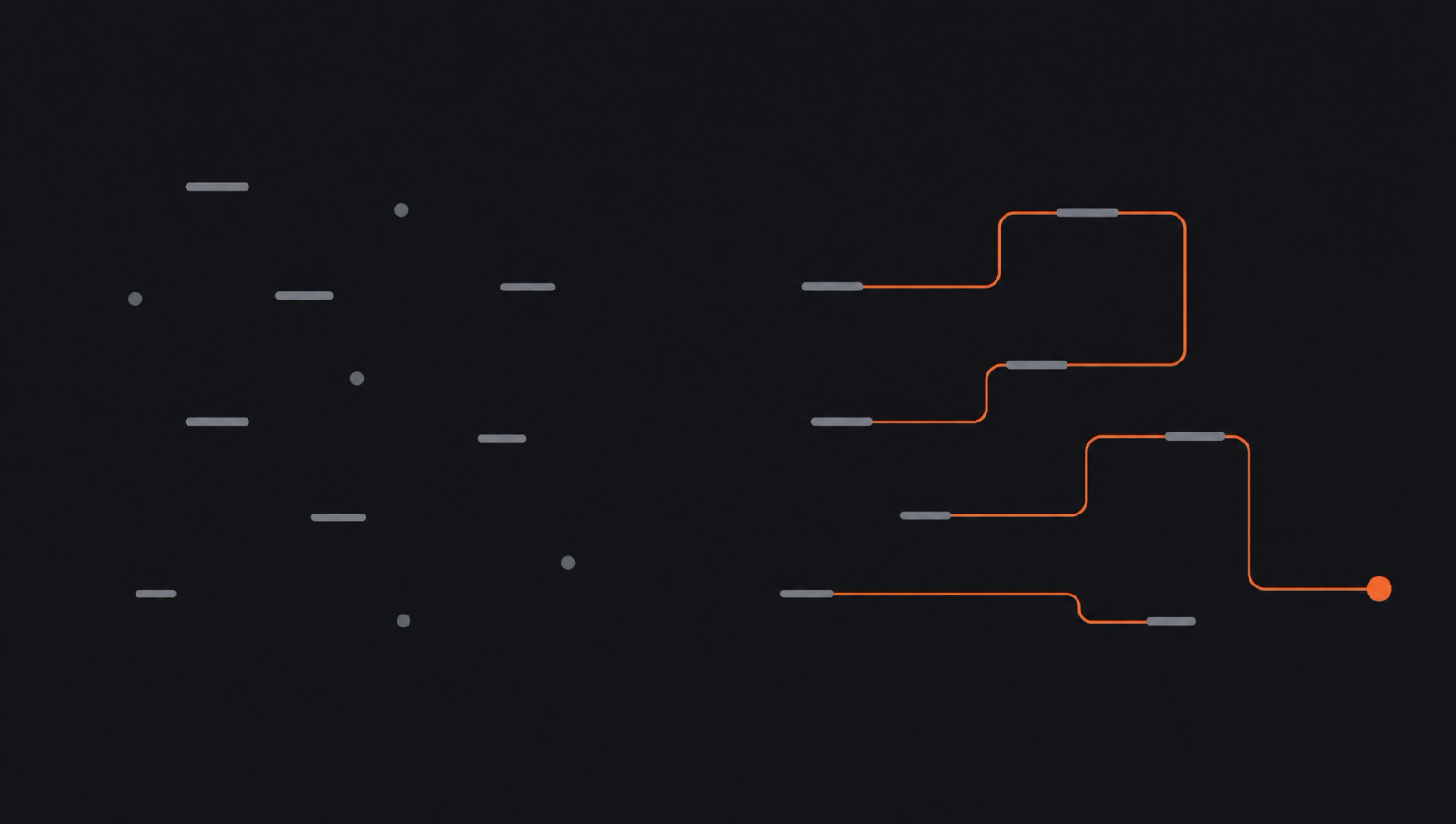
The right question is not whether you need more than a CRM. It is what holds the work that happens between CRM entries. That is where solo professionals spend their day, and that is where the system needs to live.
How a system that remembers changes the day
The day changes in ways that matter. You sit down to follow up with a client and the context is already there: what they said, what they cared about, what you discussed last time. You do not spend 15 minutes reconstructing it. You spend those minutes doing the work only you can do.
Note
In practice, this means: your follow-up is specific, not generic. Your preparation for the next call builds on the last one instead of starting from zero. Your client feels the difference between a professional who remembers and one who has to be reminded.
This is what we mean when we say a meeting is only useful if something survives it. In From meetings to memory: turning conversation into work, we break down how conversation becomes work that turns up at the right time. A CRM records that a meeting happened. A system that remembers turns the meeting into the next action, the right context, and a sharper judgement next time.
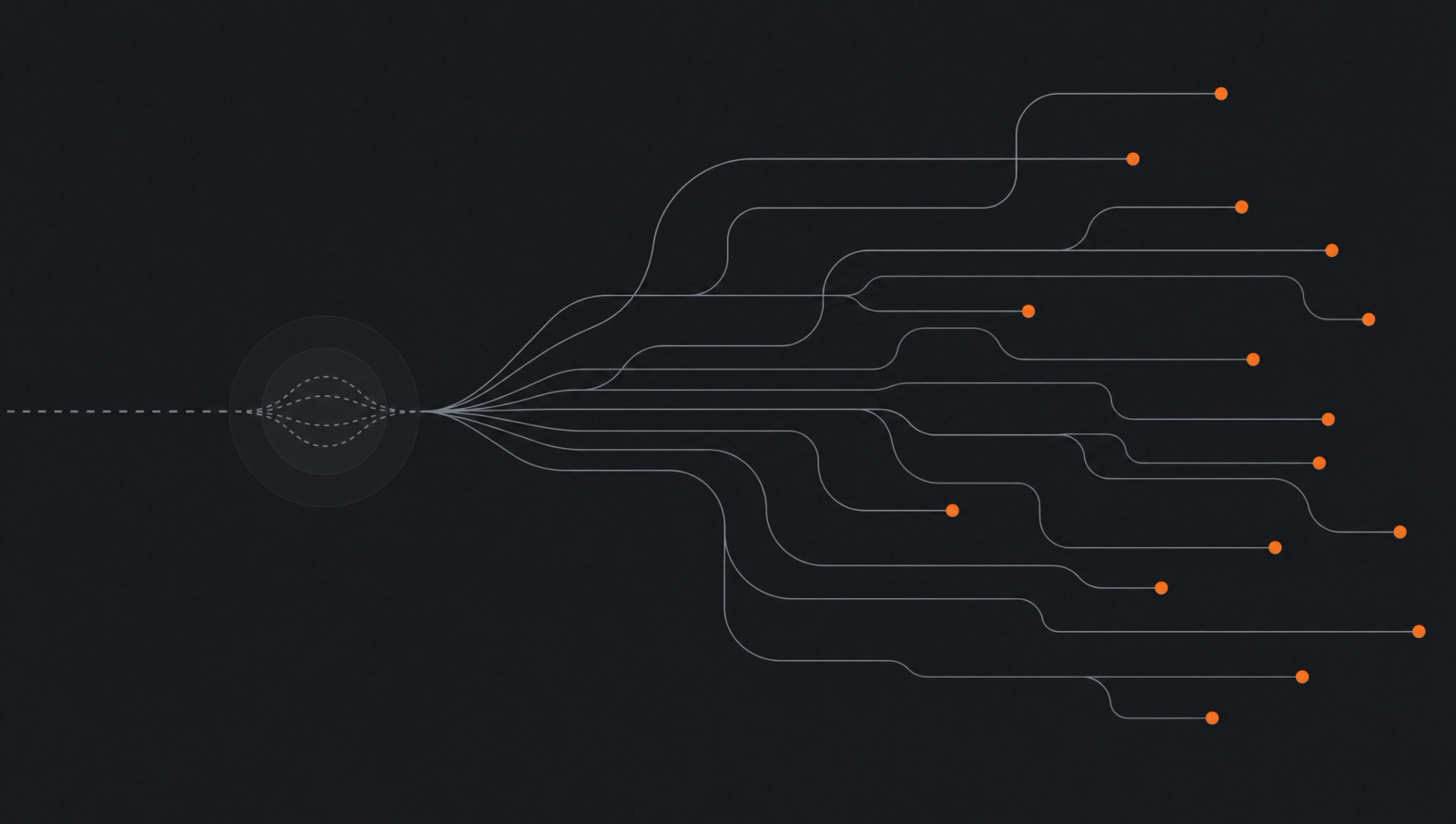
The compounding effect is real. Every conversation makes the system smarter about your clients. Every decision is connected to the next one. The follow-up that took 20 minutes of reconstruction now takes two minutes of judgement. That is the gap between a practice that scales with the operator and one that cannot scale beyond them.
Note
Book a Sprint conversation If client work lives in conversations and context, not contact records, the system that holds it should too. The first call produces something real. Book a conversation
Your next step
A CRM is the address book. The work happens in the space around it: in conversations, judgement, and memory. Solo professionals who hold that space in their heads lose time, deals, and confidence. The ones who build a system that remembers get to spend their day on the work only they can do.
If you are carrying client context in your head and feeling the cost, the next step is simple. Book a Sprint conversation. Two weeks. One system that is more than a CRM, because it remembers what your CRM never will.