Product Notes
What Clearly remembers, and why it matters

Clearly is a system that captures what happens, connects what the business knows, and gives people the context to make better judgements. The longer it runs, the more useful the business memory becomes.
That does not mean remembering everything. A useful system remembers the pieces of work that change what someone should do next: decisions, preferences, risks, commitments, patterns, and the reasons behind them.
Clearly remembers what changes judgement
Storage is easy. Memory is selective. A business does not need another archive that treats every sentence as equally important. It needs a way to preserve the context skilled people normally carry in their heads.
Clearly focuses on the context that changes judgement: what a client cared about last time, why a decision was made, what risk was raised, who promised what, and which next action should not slip.

Four things it does
The simplest way to understand Clearly is through four verbs: remember, connect, route, and sharpen.
- Remember: capture the decisions, commitments, and context that should survive the moment.
- Connect: attach that context to the right client, project, person, and prior decision.
- Route: bring the next useful action back when someone needs to act.
- Sharpen: improve the system as outcomes and feedback reveal what mattered.
Each verb is small on its own. Together they turn informal business memory into a system people can rely on.
What it does not try to remember
Clearly is not a giant recording cupboard. It should not make people sift through more material. It should reduce the amount of reconstruction required before good work can begin.
That means the system should avoid hoarding low-value detail. The point is not to prove that everything was captured. The point is to make the right context available at the moment it changes the next decision.
Tip
Author's tip: a good memory system should make people feel less buried, not more documented.
Why connected memory matters
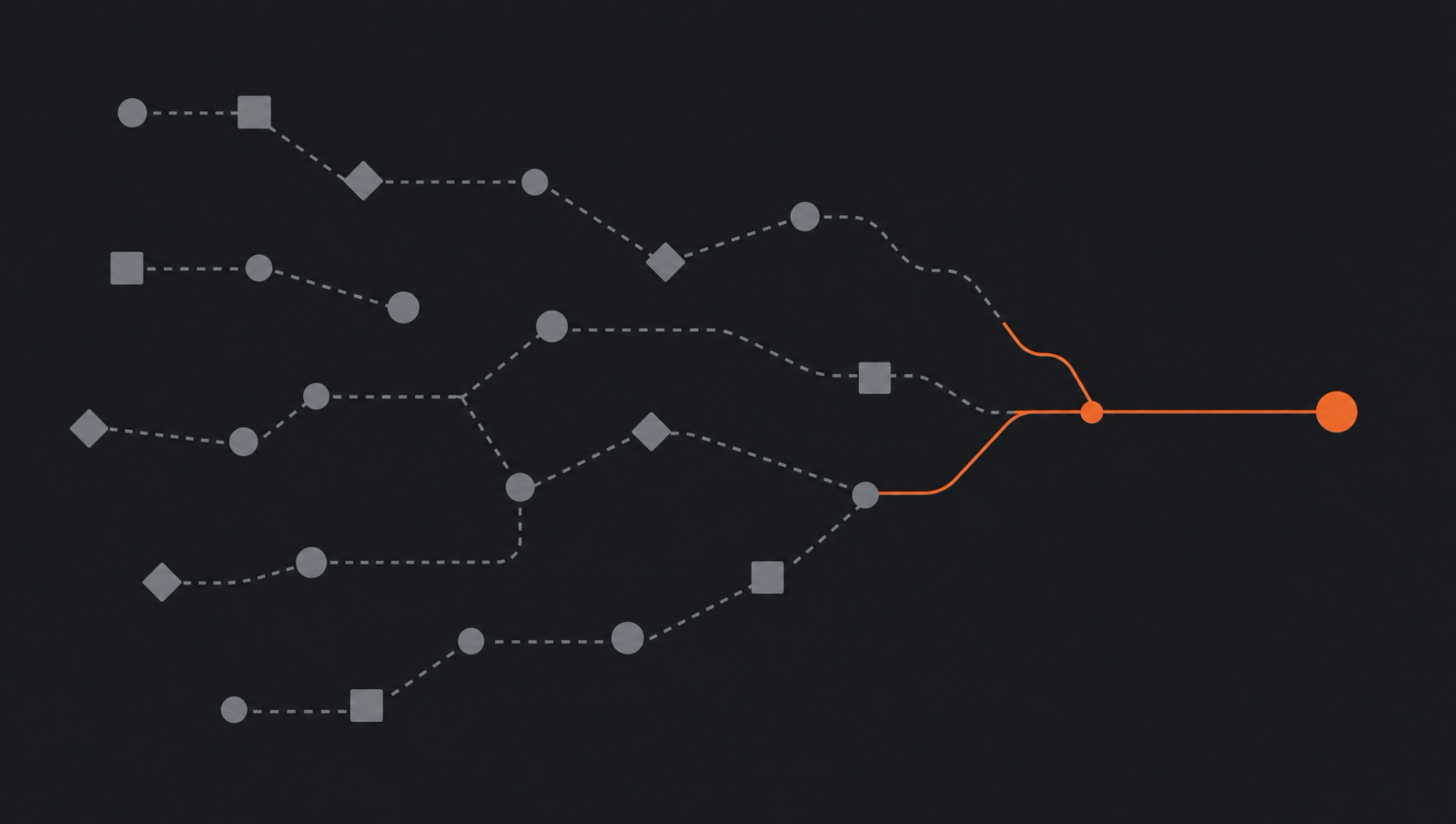
A decision in isolation is fragile. A task without its reason is easy to misread. A client note without history can become generic follow-up. Connected memory keeps the reason attached to the work.
This is where Clearly matters. It gives a lean team a shared context layer, so the business is less dependent on whichever person happens to remember the most.
What changes in the day
When the system remembers properly, preparation starts faster. Follow-up is more specific. Handovers carry the reason, not just the task. AI help becomes more useful because it can work from the business context instead of a blank prompt.
The result is not less human judgement. It is better-supported judgement. People still decide. They just do not have to rebuild the business context before every decision.
Book a Sprint conversation If your team is carrying too much context in people's heads, Catalyst Systems can help you identify what Clearly should remember first. Book a Sprint conversation.
What to do next
Start by naming the knowledge your best people keep reconstructing. Client history, project decisions, risks, and follow-up reasons are usually the first signals. If those become shared memory, the business gets sharper every time it runs.
Frequently asked
- How does Clearly capture a meeting?
- Conversations are turned into structured memory, decisions and commitments rather than raw transcripts nobody re-reads.