Operating Intelligence
From meetings to memory: turning conversation into work
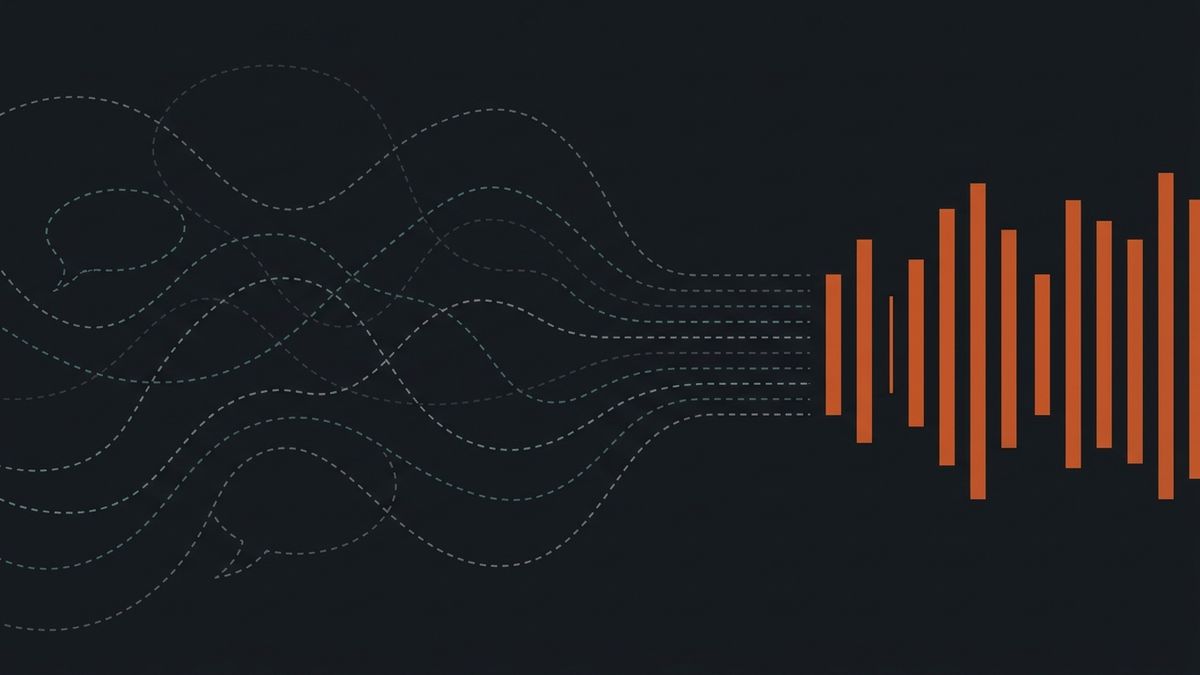
Decisions get made in three rooms and the thread between them is never written anywhere. The work is real; the connective tissue is missing.
That is why so many meetings feel useful in the moment and weak a week later. People understood the issue while they were in the room. Then the room ended. The context split across notes, messages, tasks, and memory.
A meeting is not the work. It is the raw material
A conversation should not be treated as a finished artefact. It is an input. Inside it are decisions, risks, open loops, client signals, trade-offs, and the next actions people quietly assume someone will remember.
Most teams capture the surface of the meeting: transcript, summary, action list. That is useful, but it is not enough. The missing piece is the connection between what was said and where that information needs to reappear later.
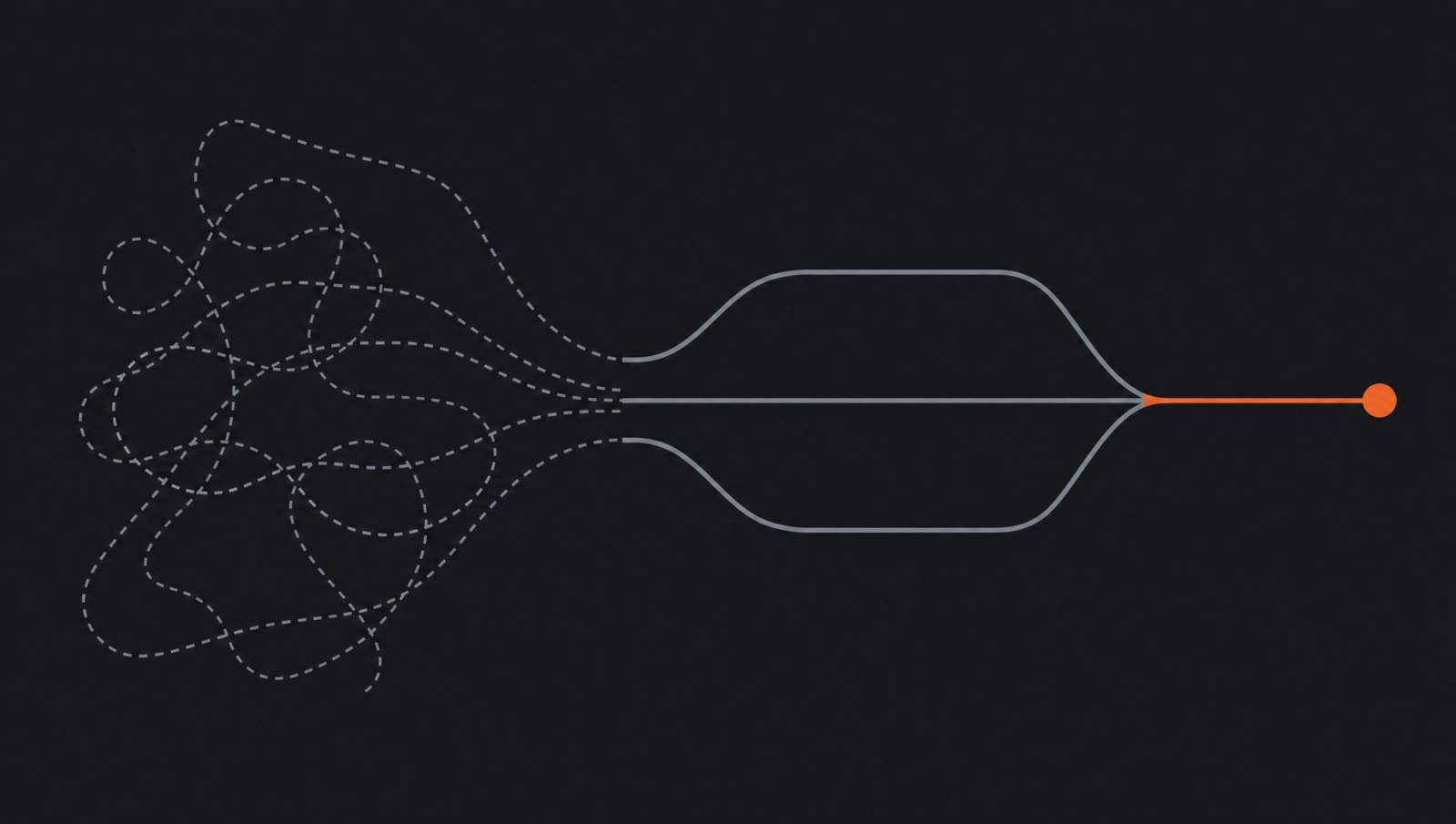
What needs to survive the room?
Not every sentence matters. A useful memory system filters for the parts that change future work. The question is not "what did everyone say?" It is "what should the business remember because of this conversation?"
For Catalyst, the core meeting outputs are simple:
- Decisions that should shape future work.
- Commitments that need ownership and timing.
- Context that changes how a client, project, or risk should be understood.
- Questions that need to come back at the right moment.
That is the difference between a meeting note and meeting memory. Notes are passive. Memory changes what happens next.
The handoff is where value usually leaks
The weak point is rarely the meeting itself. It is the handoff after the meeting. A decision becomes a sentence in a document. A concern becomes a line in a transcript. A follow-up becomes a task without the reason attached.
When the next person picks it up, they have to reconstruct the conversation before they can act. That reconstruction tax is why good meetings still produce slow work.
Tip
Author's tip: if someone has to reread the transcript to understand why a task matters, the meeting did not become memory. It became storage.
How conversation becomes work
The useful sequence is capture, connect, route. Capture what happened. Connect it to the right client, project, person, decision, and prior context. Route the next useful action into the place where work actually happens.
A meeting about a client risk should update the client memory. A promise to send a document should become follow-up with context attached. A strategic decision should reappear when a later decision depends on it.
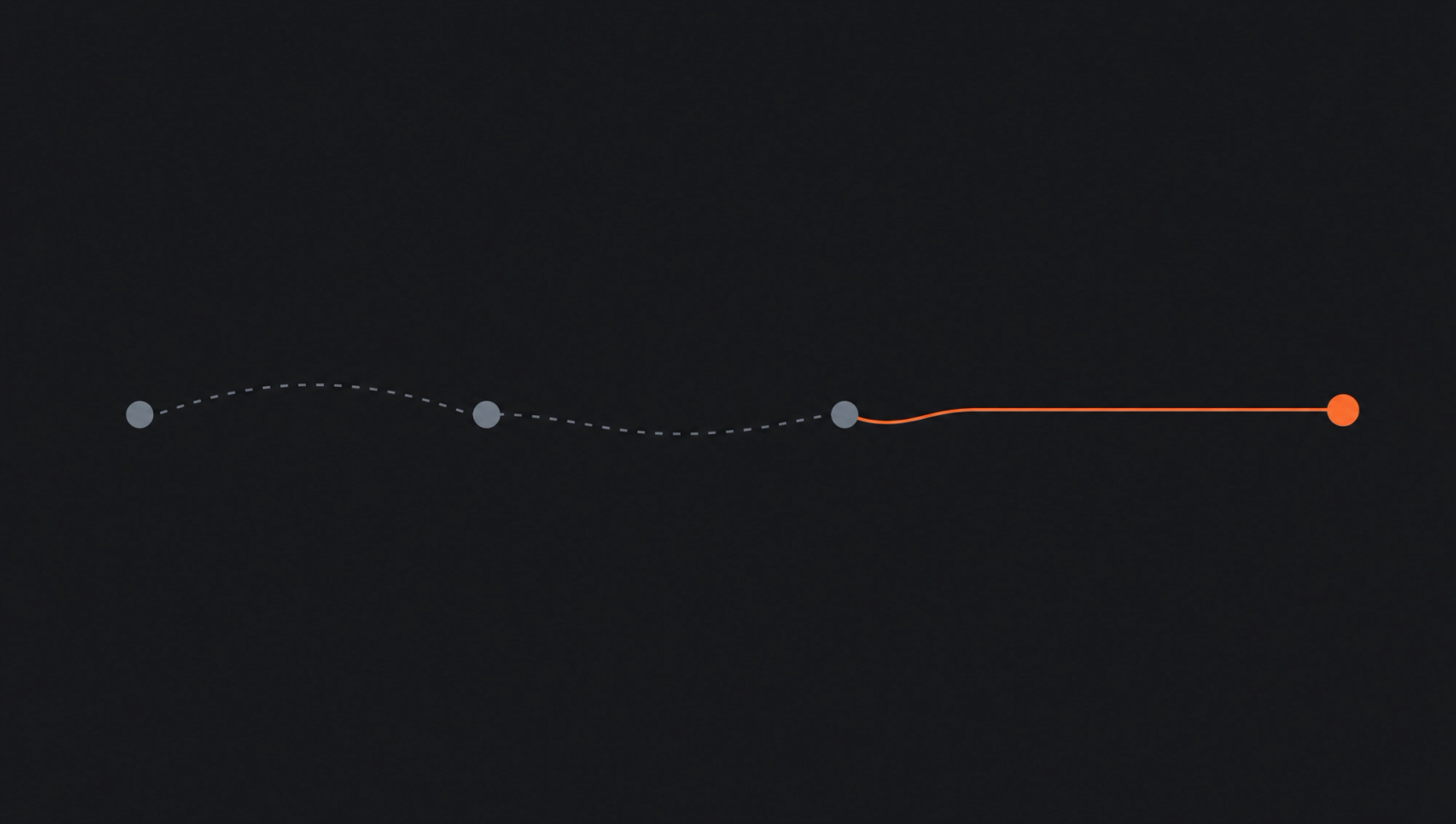
What changes when meetings become memory?
The team stops paying to rediscover what it already knew. Follow-up gets sharper because it starts from the last real context. New work carries the reason behind it. AI assistants can help because they are not starting from an empty prompt.
This is why meeting memory is part of the broader organisational brain. The value is not the transcript. The value is what survives the transcript and turns up when the business needs it.
Book a Sprint conversation If your meetings create useful decisions but the follow-through still depends on memory, Catalyst Systems can help turn the repeatable parts into a system. Book a Sprint conversation.
What to do next
Start with one recurring meeting. Define the three things that must survive it: decisions, commitments, and context. Then design where each one should reappear. That small shift turns conversation from a moment into a working memory layer.