Operating Intelligence
Context is the real infrastructure

Notes, status meetings, reminders, chasing. Almost all of it exists for one reason: the business expects to forget. Every ritual is a workaround for context that has nowhere durable to live.
That is why context is the real infrastructure. Not because it sounds abstract, but because every useful action depends on it. A person can only make a good decision if the relevant history, constraints, promises, and reasons are still available.
Most systems assume context will disappear
A CRM assumes the conversation around the record will be remembered by someone. A task manager assumes the reason behind the task is obvious. A meeting summary assumes the reader can reconstruct the emotional and commercial weight of what was said.
Those assumptions are expensive. They move context out of the system and back into people. Then the business pays for that gap through repeated meetings, slow handovers, vague follow-up, and decisions that have to be reopened.
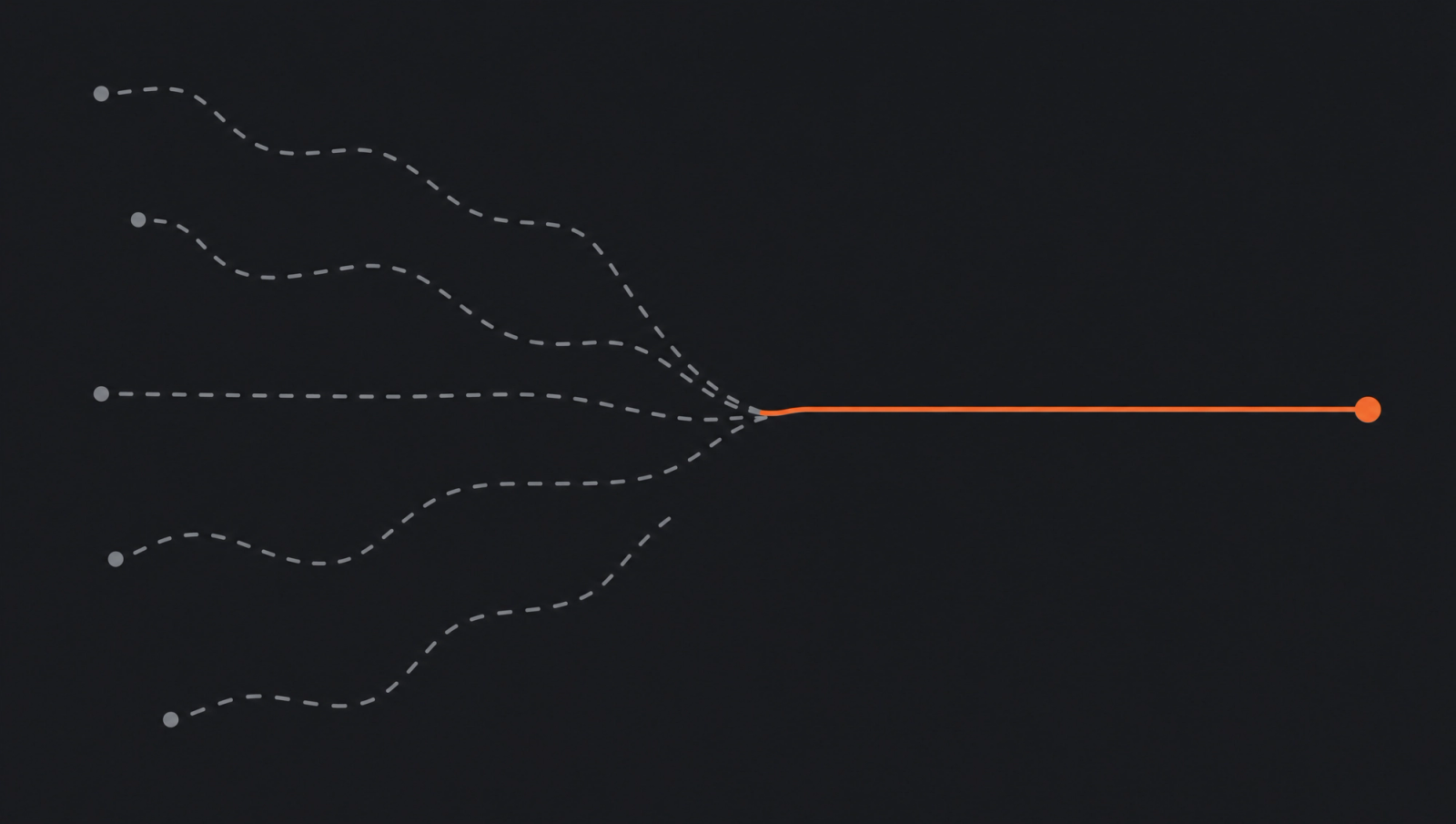
Start from the opposite question
If the business remembered everything that mattered, how would the work be built? In that business, a meeting becomes memory, a call becomes signal, and an action turns up when it is needed without anyone having to ask.
This flips the design question. Instead of asking how people should document more, ask what context the system should preserve so people can think better.
Context is what makes AI useful
AI tools are most useful when they can work from the business they are helping. Without context, they produce generic output. With context, they can prepare a follow-up, flag a risk, draft from the right history, or remind someone why a next action matters.
The model is not the whole advantage. Two businesses can use the same model. The one with clearer memory and better context will get better work from it.
Note
Please note: a better model can still fail inside a business with poor context. The infrastructure is the memory around the model.
What context infrastructure looks like
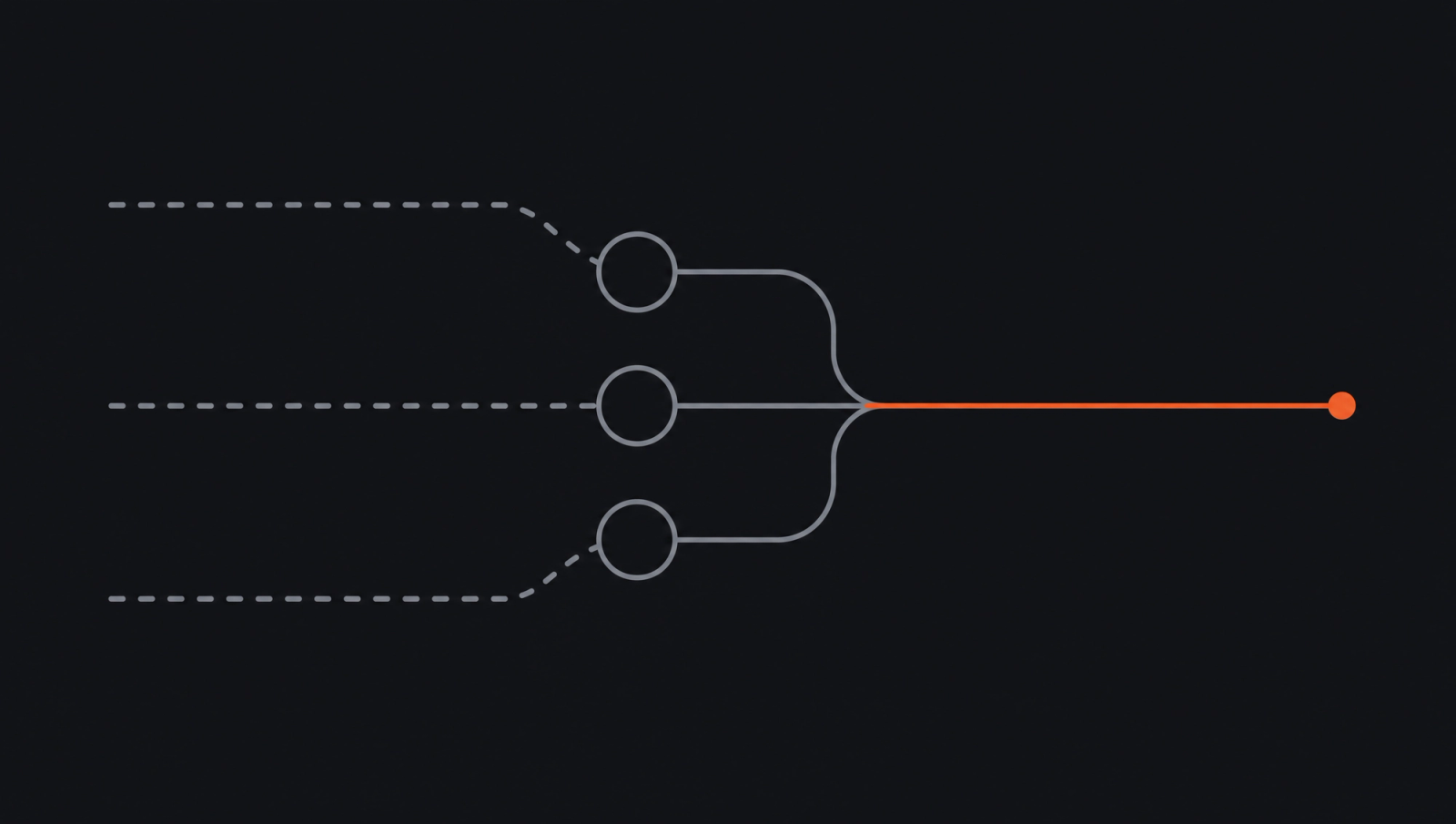
Context infrastructure is not one more database. It is the layer that captures, connects, and routes the information that changes work.
- Capture: preserve the decisions, commitments, risks, and signals that should survive the moment.
- Connect: attach them to the right client, project, person, and prior decision.
- Route: make them appear where the next useful action happens.
When those three moves work together, the business becomes less dependent on recall and more capable of compounding what it learns.
What changes when context has a place to live
The day becomes quieter. People prepare faster because the history is already attached. Handoffs need fewer explanations. Follow-up carries the reason behind it. Meetings stop being the only place context exists.
This is the shift Catalyst is built around: treating intelligence as infrastructure rather than something your best people carry on top of their actual job.
Book a Sprint conversation If your business is relying on people to carry context across tools and meetings, Catalyst Systems can help map where context is leaking and what should become infrastructure first. Book a Sprint conversation.
What to do next
Pick one workflow that repeatedly loses context: client follow-up, meeting actions, handovers, or project decisions. Map what people have to reconstruct before they can act. That reconstruction is the first place to build memory.
Frequently asked
- Does this replace human judgement?
- No. The goal is to give people better evidence for the judgements they already make, not to make the decision for them.
- What counts as context?
- Decisions, commitments, the reasoning behind them, and the relationships between them, captured in a form the business can query later.