AI Consulting
Real Estate Automation: What Agencies Should Do First
Real estate automation should start with repeatable work around an agent's relationships, not the relationship itself. For an Australian agency, the first candidates are usually enquiry capture, appraisal follow-up, meeting preparation, CRM updates and campaign coordination. These tasks have clear triggers, frequent repetition and results that a person can check.
The wrong starting point is a broad promise to automate sales. An appraisal conversation, vendor recommendation or negotiation depends on judgement and trust. The useful question is narrower: which steps consume time, lose context or delay a human conversation? This guide helps an agency principal choose the first workflow to automate. Detailed sales-assistant, vendor-reporting, commercial lease-offer and contact-compliance workflows belong in specialist guides.
What should a real estate agency automate first?
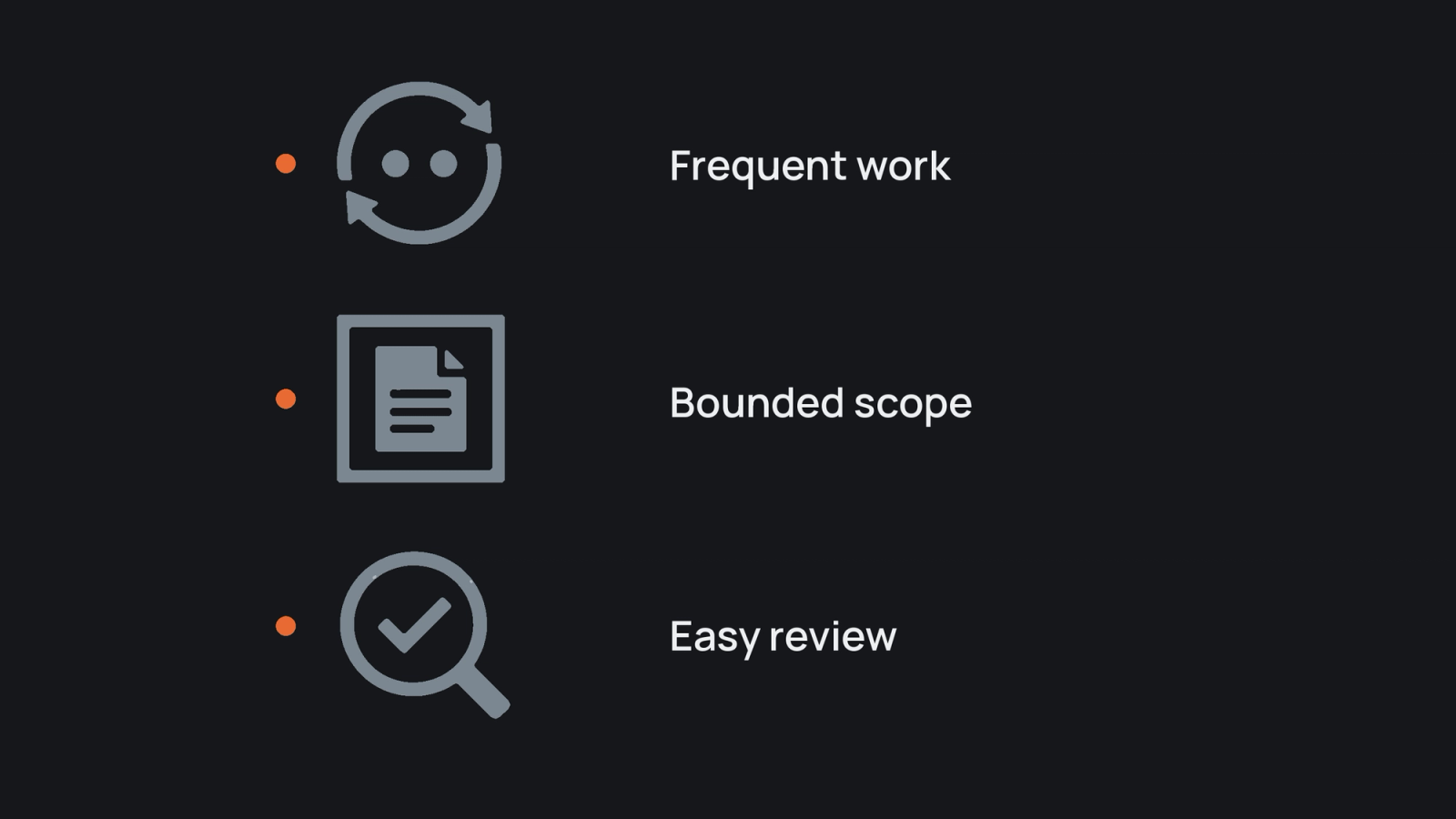
An agency should automate a task that is frequent, bounded and easy to review. Start where a missed handoff or delayed response creates obvious cost, then keep an accountable person at the point where advice or judgement begins.
The order below suits many sales teams, but each office should test it against recent files. A business process map will show the actual delays, workarounds and exceptions before software makes them faster. Good process documentation then gives the pilot a clear trigger, owner and finish.
This table separates sound early targets from work that should remain human-led.
Workflow comparison
- Lead and appraisal follow-up: automate first: Capture source, create task, draft timely reply; keep with the agent: Decide tone, call priority and next commitment.
- Agent preparation and CRM context: automate first: Summarise notes, recent activity and open promises; keep with the agent: Interpret motivation and choose the conversation.
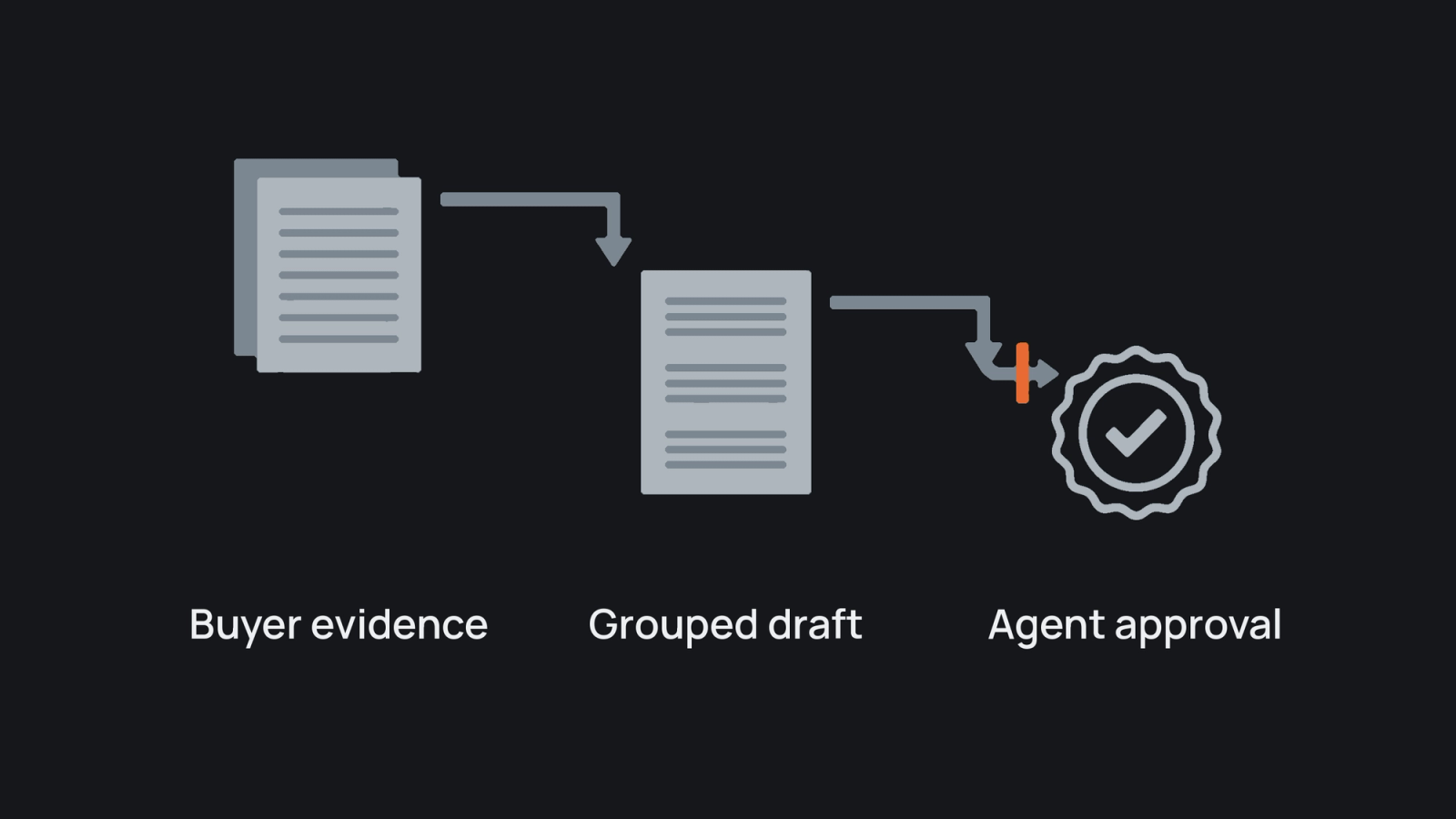
- Buyer feedback and vendor reporting: automate first: Group inspection comments and campaign activity; keep with the agent: Advise the vendor and approve the final message.
- Campaign coordination: automate first: Create tasks, reminders and handoff alerts; keep with the agent: Approve changes, exceptions and public claims.
Start with appraisal follow-up and lead capture
Appraisal follow-up is a strong first workflow because speed and continuity matter, while the agent can still approve the contact. A web enquiry, portal lead or open-home conversation can create a CRM record, attach the source, assign an owner and prepare a response without waiting for manual re-entry.
The automation should also preserve the reason for contact. A name and phone number are not enough. Record the property, timing, stated concern, consent source and promised next step so an AI sales assistant can prepare useful work rather than generic text.
Tip
Author's tip: Pilot one lead source and one follow-up path. Review every output for two weeks, including missed enquiries, duplicate records, incorrect ownership and drafts agents rewrote heavily.
Give agents CRM context before each conversation
Agent preparation should assemble evidence, not decide what the evidence means. Before a call or appraisal, automation can collect prior notes, buyer activity, campaign history, unresolved tasks and commitments into a short brief.
That approach reduces time spent searching across inboxes and records. It also improves continuity when another team member steps in. The CRM remains the source record, while the workflow brings the relevant context to the agent at the right moment. Agencies considering this pattern should treat it as AI workflow automation: one defined task, trusted inputs and a named reviewer.
Turn buyer feedback into reviewed vendor updates
Buyer feedback is well suited to collection and grouping. After an inspection, a workflow can prompt the responsible agent, collect comments in a consistent format, identify repeated themes and prepare a draft update.
The agent should verify the evidence and decide what it means for the campaign. Automated sentiment or summaries can miss sarcasm, confuse a buyer's objection with a negotiating position or overstate a pattern from a small sample. The final advice belongs in the vendor relationship. A dedicated guide to AI vendor reports covers that workflow in detail without turning reporting into generic prose.
Coordinate campaigns without automating judgement
Campaign coordination is the next practical layer. Once a listing reaches an agreed stage, automation can create photography, copy, approval, portal and open-home tasks; notify owners when a dependency slips; and record completion in the CRM.
Fixed rules suit ordinary sequencing. Drafting and classification can help when inputs vary. The business process automation guide explains why stable, reviewable work should come before a bigger rollout. For agency teams, that means proving one listing pathway before extending the pattern across every campaign type.
Build consent and contact controls into the workflow
Australian agencies remain responsible for marketing compliance when software or a supplier sends the message. The Office of the Australian Information Commissioner says APP 7 can apply when personal information is used or disclosed for direct marketing, with rules covering reasonable expectations, consent and simple opt-outs.
Phone, email and SMS have separate requirements. The Do Not Call Register guidance says telemarketing includes calls promoting land or an interest in land, and lists should generally be washed against the register within the previous 30 days unless a relevant exception applies. Its industry standards also set calling times, caller identification and call termination rules.
For commercial email and SMS, the Australian Communications and Media Authority says the sender must have consent, identify the business and provide a working unsubscribe method. Unsubscribe requests must be honoured within five working days under its Spam Act guidance. ACMA also warns that an automated welcome journey may be commercial and that a single enquiry may not establish inferred consent in its common mistakes guidance.
Store the consent basis, source, date, channel, opt-out status and register-wash date with the contact. Block an action when evidence is missing. The separate guide to Do Not Call Register compliance for real estate explains the pre-call check in depth. This article does not provide legal advice, so agencies should obtain advice for their circumstances.
Where must a person stay in control?
A person should approve work that changes a client's position, makes a material representation or depends on relationship judgement. That includes pricing advice, vendor recommendations, negotiation, complaint handling, sensitive personal information and any message sent when consent is uncertain.
A practical boundary is simple: software may collect, route, summarise, draft and remind. An authorised person decides, advises, promises and sends consequential communications. Record approvals and corrections so the agency can see whether the workflow is improving or merely moving supervision into a new queue.
Choose one workflow and prove it
Real estate automation works best as a sequence of contained improvements. Map a recent case, select one recurring burden, define the input and owner, add the compliance checks, then measure response time, correction effort, missed work and staff adoption.
An AI readiness assessment guide can help an agency examine workflow clarity, information quality, ownership and controls before committing to a pilot. Catalyst Systems helps Australian teams design these bounded workflows while keeping agents responsible for the conversations clients value.
Before automating this workflow, check whether the process, information, ownership and review controls are ready. The assessment helps identify the first constraint to fix.
Take the AI readiness assessmentFrequently asked
- What should a real estate agency automate first?
- Start with enquiry capture, appraisal follow-up, CRM preparation, buyer-feedback grouping or campaign coordination where the trigger and owner are clear.
- Can real estate automation send every follow-up automatically?
- No. Consequential, sensitive or consent-dependent messages should stop for agent review, and missing contact permissions should block the action.
- What information should appear in an automated vendor update?
- A draft can group inspection activity and buyer feedback, but the agent should verify the evidence, interpret it and approve the vendor conversation.
- How should an agency measure an automation pilot?
- Track response time, correction effort, missed work, consent exceptions, staff adoption and whether agents receive better context before conversations.